Unlocking the Potential of DC Fast Charging for EVs
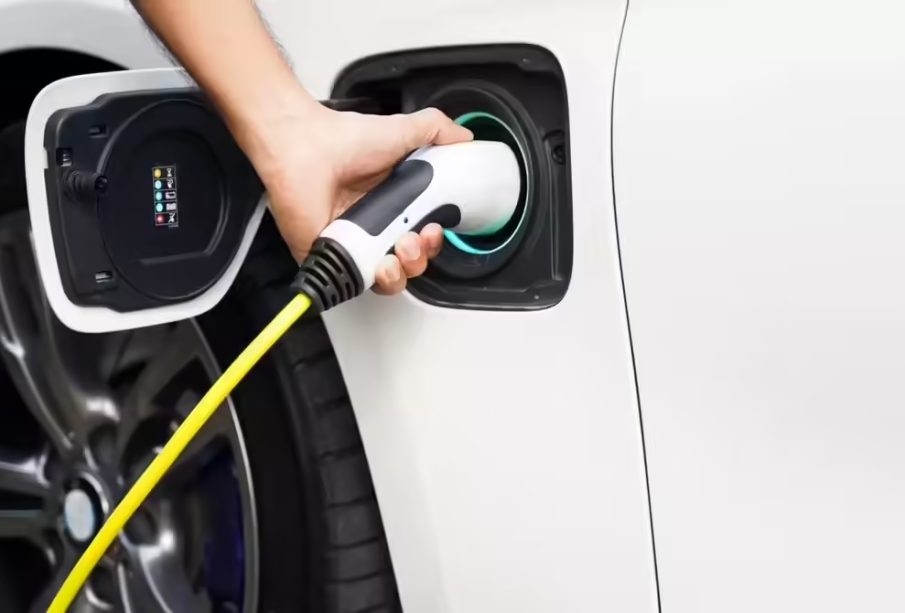
The adoption of electric mobility in Thailand is gaining serious momentum. As more drivers switch from internal combustion engines to battery-powered alternatives, the infrastructure supporting them becomes increasingly important. While overnight charging at home is convenient for daily commutes, long-distance travel requires a different solution. This is where Direct Current (DC) technology steps in, significantly reducing the time cars need to spend plugged in.
Traditional Alternating Current (AC) charging relies on the car’s onboard converter, which limits charging speed. In contrast, DC systems bypass this bottleneck by delivering power directly to the battery. This difference is massive for drivers heading from Bangkok to Chiang Mai or Phuket. Using a standard AC outlet might take all night to replenish a battery, but a high-powered electric vehicle fast charger can add hundreds of kilometres of range in just 20 to 30 minutes.
This rapid energy transfer changes how Thai drivers plan their trips. Instead of stopping for hours, a quick coffee break or a meal at a motorway rest stop is enough to get back on the road. For the national charging network to be effective, these high-speed stations need to be strategically placed along major highways and in dense urban areas, ensuring that range anxiety becomes a thing of the past.
The State of Fast Charging in Thailand
Thailand is positioning itself as a regional hub for EV production and usage. The government has introduced subsidies and tax incentives to encourage this shift, leading to a surge in new registrations. Consequently, the demand for public charging infrastructure has skyrocketed.
Currently, we see a growing number of charging stations popping up at petrol stations, shopping centres, and office buildings. However, the distribution remains uneven. Bangkok and its surrounding provinces have the highest concentration, while rural areas still have gaps. Expanding the grid to cover these remote routes is essential for nationwide adoption.
Overcoming Technical and Economic Hurdles
While the benefits are clear, rolling out a comprehensive DC network isn’t without difficulties. The primary challenge is the strain on the electrical grid. High-speed chargers draw immense amounts of power. If multiple cars plug in simultaneously at a single location, the local grid must be robust enough to handle the load without causing outages.
Upgrading transformers and grid infrastructure requires significant investment. Additionally, the cost of installing a DC station is much higher than an AC unit. For station operators, the return on investment depends heavily on utilisation rates. If a station sits empty most of the day, it becomes a financial burden. Balancing installation costs with fair pricing for consumers is a delicate act that the industry is currently refining.
The Future of Charging Infrastructure
Looking ahead, technology will continue to improve. Newer EVs are being built with architectures that support even faster charging speeds, pushing the limits of what current stations can provide. We can expect to see ultra-fast chargers capable of delivering 350kW or more becoming the standard on major arterial roads.
Furthermore, renewable energy integration offers a promising path forward. Pairing charging stations with solar canopies and battery storage systems can help manage peak loads and reduce reliance on the main grid. This approach not only stabilises the power supply but also ensures that the energy driving these vehicles is as clean as possible. As Thailand moves towards a greener future, a robust, accessible, and fast charging network will be the backbone of this transformation.